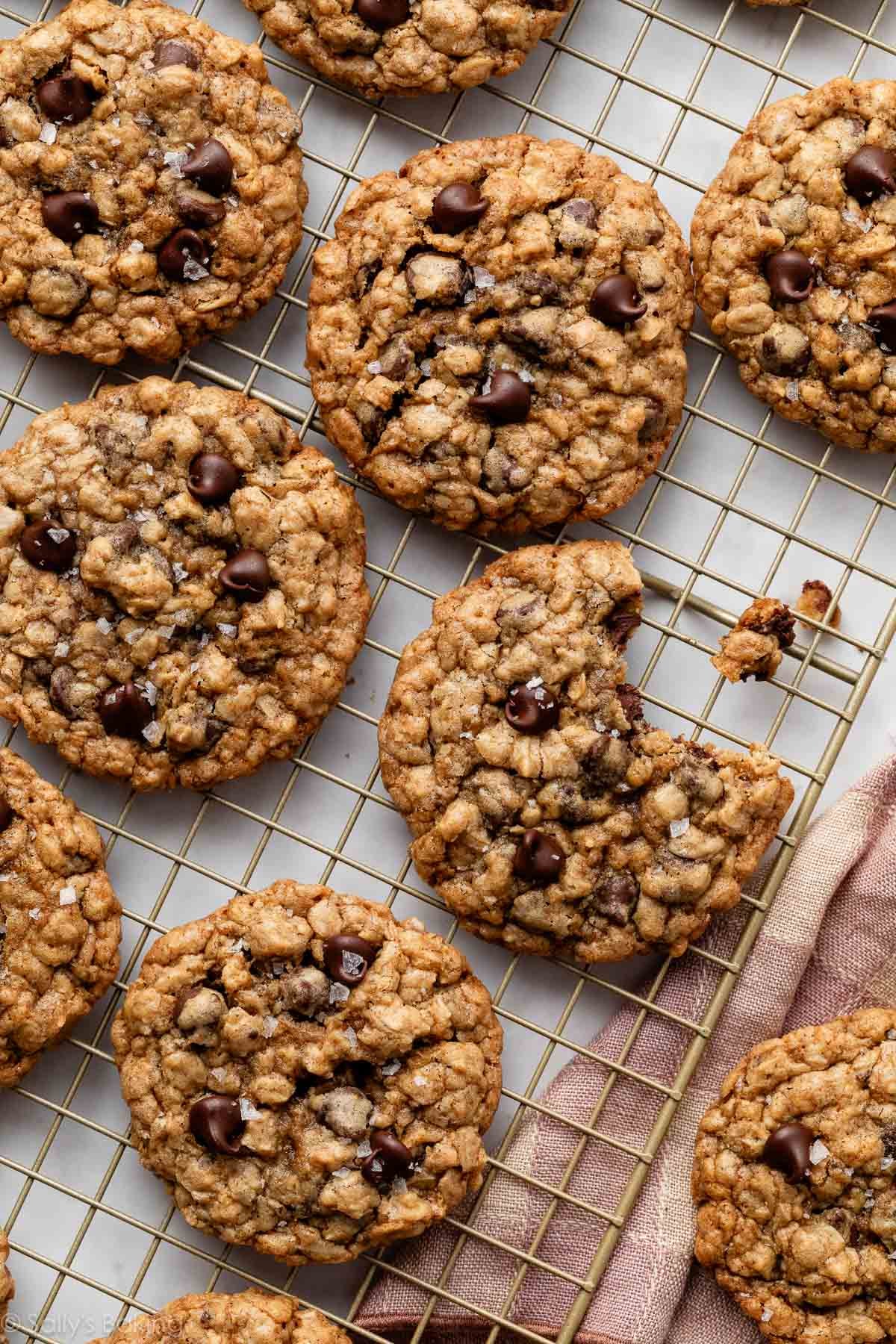
Secrets for Bakery-Style Oatmeal Chocolate Chip Cookies
There's something uniquely comforting and utterly irresistible about a truly great
oatmeal chocolate chip cookie. It’s that perfect balance of chewy texture, comforting oat flavor, and rich chocolate pockets that makes them a timeless favorite. But let's be honest, while homemade cookies are always a treat, achieving that elusive "bakery-style" quality – the perfect chew, the delightful aroma, the slightly crispy edges with a soft, moist center – can feel like a secret held only by professional bakers. Fear not, home bakers! Unlocking these secrets is more straightforward than you might think. This comprehensive guide will equip you with the knowledge and techniques to transform your homemade
oatmeal chocolate chip cookies into masterpieces worthy of any patisserie.
Understanding the Foundation: The Perfect Oatmeal Base
The journey to an exceptional
oatmeal chocolate chip cookie begins with its namesake ingredient: the oats. Far from being a mere filler, oats are the heart and soul of these cookies, providing not just structure but also a distinctive flavor and texture profile. The choices you make regarding your oats, butter, and sugar will fundamentally dictate the final outcome of your bakery-style treat.
Choosing Your Oats Wisely
The type of oats you use dramatically impacts the cookie's texture.
- Old-Fashioned Rolled Oats: These are the champions for chewiness. Their larger, flatter flakes absorb moisture slowly, lending a substantial, satisfying chew that is characteristic of premium bakery cookies. They also provide excellent structure and a pronounced oat flavor.
- Quick-Cooking Oats: While convenient, these are often thinner and more processed, leading to a softer, sometimes mushier texture if used exclusively. They can be good in a blend for a less assertive oat presence.
- Instant Oats: Avoid these for bakery-style cookies. They are too finely cut and processed, dissolving into the dough and offering little to no distinct texture or robust oat flavor.
For the ultimate bakery-style experience,
we highly recommend old-fashioned rolled oats. Some bakers even enjoy a 50/50 blend of old-fashioned and quick oats to achieve a delightful balance of chew and tenderness. Regardless of your choice, ensure your oats are fresh and haven't gone stale, as this can impart an off-flavor to your cookies.
Beyond Oats: The Butter and Sugar Balance
The fat and sugar components are crucial for flavor, moisture, and spread.
- Butter: For that rich, buttery flavor and superior texture, always opt for unsalted butter. European-style butters, with their higher fat content, can elevate your cookies even further. The temperature of your butter is also critical. While many recipes call for softened butter, using a portion of melted butter (cooled slightly) can lead to a chewier cookie by helping the oats hydrate better and creating a denser, fudgier crumb.
- Sugar: Most bakery-style oatmeal chocolate chip cookies rely on a blend of brown and granulated sugar.
- Brown Sugar: Its molasses content provides moisture, chewiness, and a lovely caramel note. Dark brown sugar will give a deeper flavor and even more chew than light brown sugar.
- Granulated Sugar: Contributes to crispiness at the edges and helps the cookies spread.
A higher ratio of brown sugar to granulated sugar typically yields a softer, chewier cookie with a richer flavor profile, a hallmark of many bakery favorites.
The Art of Flavor and Texture: Unlocking Bakery Secrets
Achieving that complex, irresistible flavor and perfect texture isn't just about the main ingredients; it's about the subtle nuances and intelligent techniques that professional bakers employ. These "secrets" transform good cookies into truly extraordinary ones.
Mastering Your Chocolate Selection
Chocolate is more than just an add-in; it's a co-star.
- Quality Matters: Invest in good quality chocolate. Chips are convenient, but chopped chocolate bars (especially a mix of milk, semi-sweet, and dark) melt more beautifully and create pockets of molten chocolate throughout the cookie.
- Vary Your Cocoa Percentage: Don't stick to just one type. A blend of semi-sweet (around 60-70% cocoa) and a good quality milk chocolate (for sweetness and creaminess) creates a dynamic flavor profile. Some even add a small amount of dark chocolate (70%+) for depth.
- Chocolate Chunks vs. Chips: Chunks offer larger, more satisfying pools of melted chocolate, while chips maintain their shape better. For a truly bakery-style experience, consider using a mix of both!
The Power of Salt and Flavor Enhancers
Never underestimate the power of a tiny pinch of the right ingredient.
- Salt: Good quality salt is absolutely essential. It balances the sweetness, enhances the chocolate, and makes all the flavors pop. Using a finer salt within the dough and then finishing with a sprinkle of flaky sea salt on top of the warm cookies adds a gourmet touch and a delightful textural contrast.
- Vanilla Extract: Use pure vanilla extract, not imitation. Better yet, try vanilla bean paste for visible specks and an intensified flavor.
- Subtle Spices: A hint of ground cinnamon or nutmeg can beautifully complement the oats and chocolate without overpowering them. Some bakers even add a tiny pinch of instant espresso powder to deepen the chocolate flavor without making the cookies taste like coffee.
Baking for Perfection: Temperature, Time, and Techniques
Even with the best ingredients and a perfectly balanced dough, poor baking technique can undermine all your efforts. Precision in the oven is key to achieving that ideal chew and golden-brown finish. For insights into perfecting the softness of your bake, check out
Your Guide to Ultimate Soft Oatmeal Chocolate Chip Cookies.
The Chilling Effect: A Game Changer
This is perhaps the single most overlooked step for home bakers. Chilling your cookie dough for at least 30 minutes, and ideally for 24-72 hours, offers several benefits:
- Flavor Development: The ingredients meld together, deepening and intensifying the flavors. The oats have more time to fully hydrate, leading to a superior texture.
- Reduced Spread: Chilled butter is firmer, preventing the cookies from spreading too rapidly in the oven, resulting in thicker, chewier cookies.
- Improved Texture: It contributes to those coveted chewy centers and slightly crispy edges.
Don't skip this step! It's truly transformative for
oatmeal chocolate chip cookies.
Optimal Baking Environment
- Oven Calibration: Ovens can be notoriously inaccurate. If you bake frequently, consider investing in an oven thermometer to ensure your oven is truly at the temperature you set.
- Preheat Thoroughly: Always preheat your oven for at least 15-20 minutes after it signals it's reached temperature. This ensures the oven walls and racks are fully heated, providing a consistent baking environment.
- Cookie Sheet & Parchment: Use light-colored, heavy-gauge baking sheets. Darker sheets can cause bottoms to brown too quickly. Always line your sheets with parchment paper or silicone mats for even baking and easy cleanup.
- Even Baking: Don't overcrowd the baking sheet. Give cookies plenty of space. Rotate your baking sheet halfway through the baking time for uniform browning.
- Doneness Cues: Bakery-style oatmeal chocolate chip cookies are often slightly underbaked in the center. Look for edges that are golden brown and set, while the centers still look slightly soft and puffed. They will continue to set as they cool.
Elevating Your Oatmeal Chocolate Chip Cookies to Legendary Status
Once you've mastered the fundamentals, a few more advanced tips and considerations can take your cookies from great to truly legendary. Understanding the nuances between textures can further refine your baking – for more detail, explore
Oatmeal Chocolate Chip Cookies: Chewy vs. Crispy Guide.
The Secret Ingredient: Time and Patience
Beyond chilling the dough, simply giving your ingredients and dough the respect they deserve can make a difference.
- Don't Overmix: Once you add the dry ingredients to the wet, mix only until just combined. Overmixing develops gluten, leading to tougher cookies.
- Ageing the Dough (Optional but Recommended): If you have the time, letting the dough rest in the fridge for 24-72 hours truly allows the flavors to deepen and the oats to fully hydrate, resulting in an unparalleled depth of flavor and chewiness.
- Portioning: Use a cookie scoop (about 2 tablespoons) for uniform cookies that bake evenly. For extra-large bakery-style cookies, a 3-ounce scoop works wonders.
Finishing Touches and Storage
The final steps are just as important as the first.
- Flaky Sea Salt: A light sprinkle of flaky sea salt (like Maldon) over the cookies immediately after they come out of the oven enhances flavor and adds a beautiful visual and textural element.
- Cooling: Let cookies cool on the baking sheet for 5-10 minutes before transferring them to a wire rack to cool completely. This allows them to set up properly and prevents them from breaking.
- Storage: Store cooled cookies in an airtight container at room temperature for up to 3-5 days. For longer storage, freeze baked cookies in a freezer-safe bag or container for up to 3 months. You can also freeze scooped dough balls and bake them from frozen (adding a few minutes to the bake time) for freshly baked cookies on demand.
Conclusion
Crafting bakery-style
oatmeal chocolate chip cookies at home is not an unattainable dream, but rather a delicious journey of understanding ingredients, mastering techniques, and practicing patience. From selecting the right oats and chocolate to understanding the critical role of chilling the dough and precise baking, each step contributes to that ultimate balance of flavor and texture. By embracing these "secrets," you'll soon be pulling trays of perfectly chewy, rich, and utterly irresistible
oatmeal chocolate chip cookies from your own oven, ready to rival any professional bakery. So go ahead, experiment, bake with confidence, and savor the sweet rewards of your labor!